Located in the Pacific Northwest, Portland is a busy city, close to both the Willamette and Columbia Rivers. The temperate rainforest climate of the region, with cool and wet winters and warm & dry summers, makes the city a hotbed for pest infestations. Almost all popular neighborhoods, such as the Pearl District, Hawthorne, and Alberta Arts District, have reported pest issues. Pest species remain active for most parts of the year, thanks to abundant moisture and protected green zones.
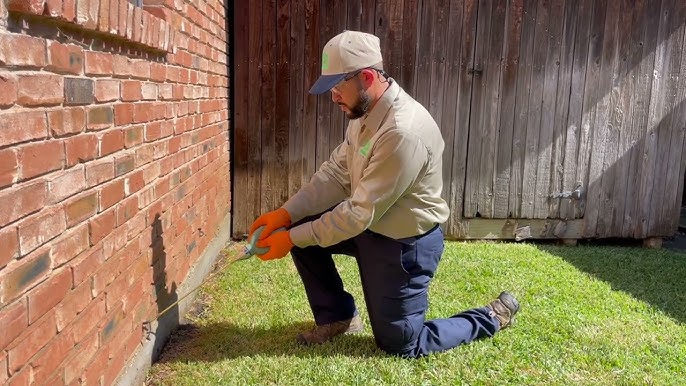
You cannot risk pests by using DIY remedies here. You need a local service in Portland, such as Pointepest.com, for ongoing support. The Pointe technicians understand the patterns across areas of the city and know how the Pacific Northwest climate impacts pest cycles. For your help, below are some pests you can expect across seasons here.
New Start in Spring
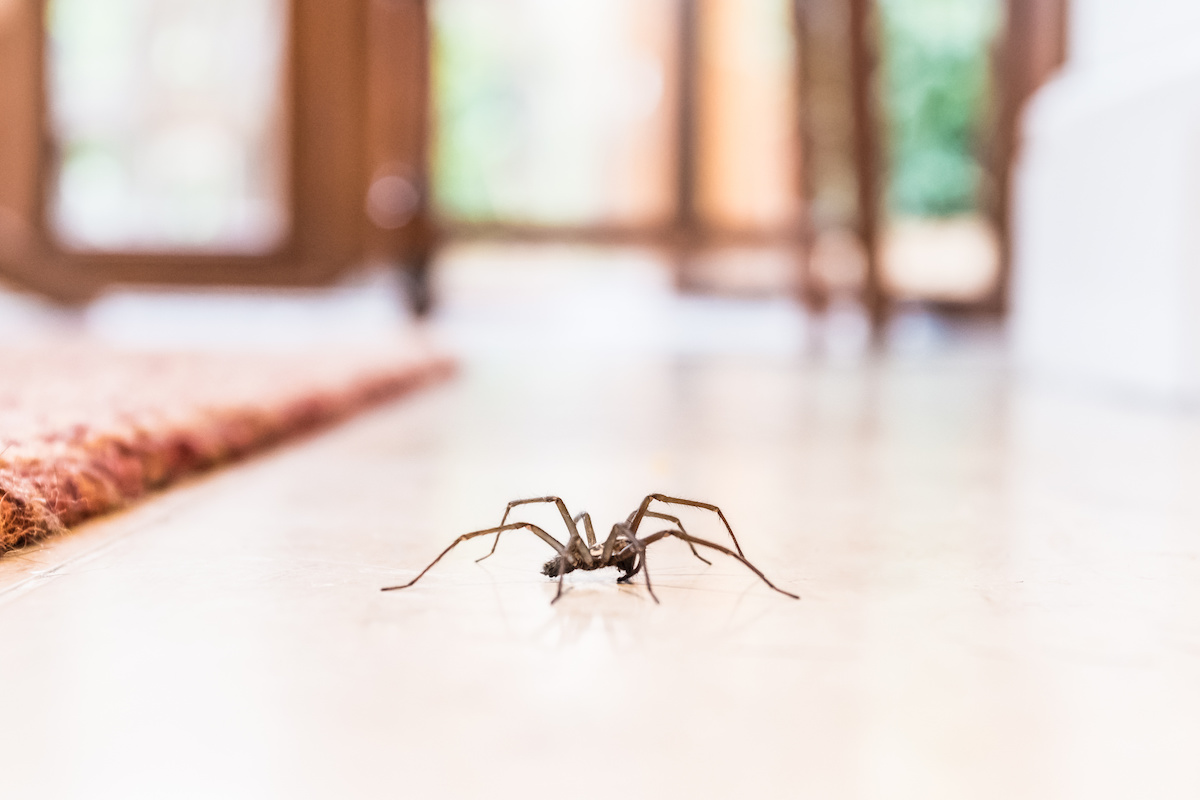
Spring in Portland is between March and May, and this is when you can expect a change in temperature, which triggers foraging in carpenter ant colonies. Unlike termites, carpenter ants don’t eat wood, but excavate it, and the damage concerns remain the same. Queen wasps and hornets also start looking for nesting sites in eaves and vents, so if you spot an early nest, get professional assistance immediately. As insect populations increase, species of spiders, including house spiders, become active.
Summer High
June to August are the peak summer months here, and the weather remains warm but dry, which is why roaches move indoors in search of moist pockets. You will find cockroaches active throughout these months, often entering through plumbing gaps and sink drains. In your pantry, you may also find pests like Indian meal moths or grain beetles that come from store products. Stinging insects also remain active and extremely aggressive in the summer months.
Migration in Fall
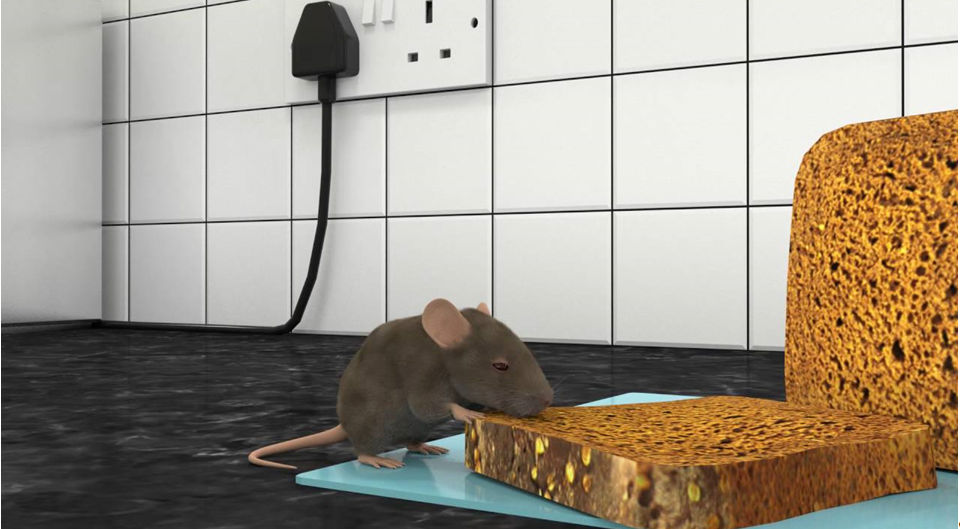
As ambient temperatures start to drop, rodents aggressively scout for areas to pass the wet winter months. Although there is no harsh freeze in Portland, the migration of rats and mice remains a problem. Experts usually suggest that homeowners seal all gaps and holes, but don’t rely on foam, as these pests can easily chew through that. Instead, get professional services, as technicians use copper mesh and advanced sealants.
Winter Activity
Rats, mice, cockroaches, silverfish, and spiders, which have managed to enter your home during the fall, will continue to be active in winter. You can expect them to survive in voids and closed rooms, and reproductive cycles of most species continue. Rodents are a real risk, as these can damage wires, insulation, stored boxes, and even fabrics, often shredding everything to pieces to make nests. Make sure you don’t delay calling exterminators if there are nesting signs or nighttime sounds.
Steps to Consider
Now that you know the Portland pest patterns for each season, what can you do at your end to reduce the risk of infestations? Below are some guidelines:
- Ensure you report early signs to your exterminator. Early treatment is always cheaper and will cost at least 3x less than emergency remediation.
- Dispose of your waste carefully, and ensure all bins and garbage cans are clean. Food sources will attract more insects and mice.
- Always go for seasonal services. Play for quarterly plans, and you will have technicians for inspections and advanced treatments, which can reduce risks.
- Don’t waste your money on DIY. In many cases, such hacks and ideas can worsen an existing problem, spreading and scattering the pests to new areas.
Lastly, don’t forget to keep a log of patterns and pest cycles. If your pest control company in Portland shares reports after each service (which they should), ensure that you keep them safe.