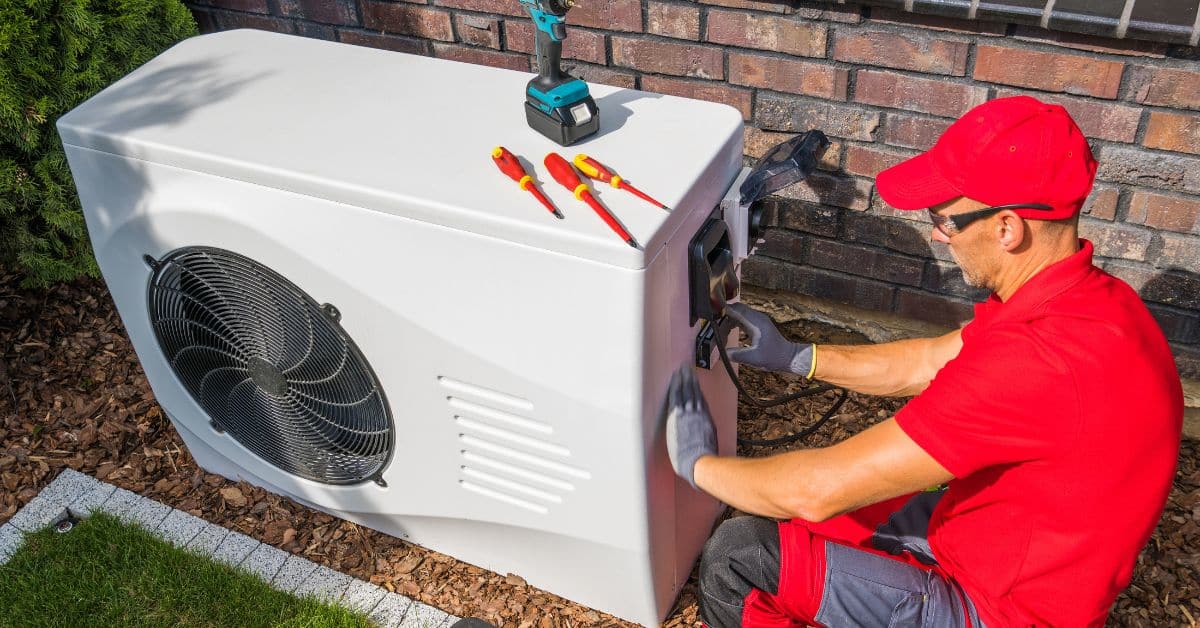
Creating a comfortable home begins with an efficient heating and cooling system. Whether building a new house or replacing aging equipment, thoughtful planning helps improve energy efficiency, indoor air quality, and long-term reliability. A properly installed climate control system reduces monthly utility costs while maintaining consistent temperatures throughout every season. Understanding the key steps involved allows homeowners to make informed decisions that protect both comfort and their investment.
Many homeowners researching how to install heating and air conditioning quickly discover that successful installation involves much more than placing equipment inside the home. Proper sizing, ductwork evaluation, insulation, airflow balancing, and professional system design all contribute to dependable performance. Careful preparation helps reduce future repair costs, improves HVAC efficiency, and supports reliable indoor comfort for many years after installation.
Start with a Complete Home Evaluation
Every home has unique heating and cooling requirements. Factors such as square footage, ceiling height, insulation quality, window placement, and local climate all influence HVAC performance.
Why Load Calculations Matter
Professional load calculations determine the exact heating and cooling capacity a home requires. Oversized equipment often has short cycles, reducing humidity control and increasing wear on components. Undersized systems operate continuously, consuming more energy while struggling to maintain comfortable indoor temperatures.
Selecting equipment based on accurate calculations improves comfort while extending system lifespan.
Choosing the Right HVAC Equipment
Modern HVAC technology offers homeowners a wide range of energy-efficient solutions designed for different property sizes and comfort goals.
Features Worth Considering
High-efficiency air conditioners, heat pumps, variable-speed blowers, and smart thermostats provide better temperature control while lowering operating costs. ENERGY STAR-certified equipment and higher SEER ratings often deliver greater efficiency over the life of the system.
Homeowners learning how to install heating and air conditioning should understand that selecting compatible indoor and outdoor components is essential for maximizing performance. Matching equipment correctly helps improve airflow, humidity control, and overall system reliability while reducing unnecessary strain on major HVAC components throughout the year.
Ductwork Plays a Major Role in Efficiency
Proper airflow distribution is essential for maintaining consistent temperatures throughout the home. Even premium HVAC equipment cannot perform efficiently if ductwork contains leaks or restrictions.
Common Ductwork Problems
Leaking ducts, crushed sections, poor insulation, and improper sizing reduce airflow while increasing energy waste. Rooms may become too warm or too cool because conditioned air never reaches its intended destination.
Inspecting and sealing ductwork before installation helps improve efficiency while lowering utility expenses.
Essential Installation Priorities:
● Accurate HVAC load calculations
● Proper equipment sizing
● Sealed and insulated ductwork
● Smart thermostat installation
● Balanced airflow throughout the home
● Professional system testing
Addressing these priorities early creates a stronger foundation for long-term HVAC performance.
Insulation Supports Heating and Cooling Performance
Insulation works together with HVAC equipment to maintain stable indoor temperatures. Without sufficient insulation, conditioned air escapes more quickly, increasing system workload.
Why Thermal Protection Matters
Well-insulated attics, crawl spaces, walls, and floors reduce heat transfer throughout the year. Better insulation allows HVAC equipment to cycle more efficiently, improving comfort while lowering electricity consumption.
Improving insulation before installing new heating and cooling equipment often produces greater long-term energy savings.
Ventilation Improves Indoor Air Quality
Heating and cooling systems influence far more than temperature. Balanced ventilation supports healthier indoor environments by improving fresh air circulation and removing airborne contaminants.
Healthy Air Begins with Proper Ventilation
Poor ventilation may increase humidity, allergens, dust accumulation, and indoor pollutants. High-efficiency filtration systems, fresh-air ventilation, and whole-home air purification solutions help improve indoor air quality while enhancing HVAC efficiency.
Modern climate systems often integrate ventilation upgrades as part of comprehensive installation planning.
Smart Technology Maximizes Efficiency
Technology continues to improve residential climate control through automation and intelligent energy management.
Advantages of Smart Controls
Programmable thermostats allow homeowners to adjust schedules based on occupancy, weather conditions, and daily routines. Remote access through mobile devices offers additional convenience while reducing unnecessary energy use.
Some systems even monitor equipment performance and alert homeowners when maintenance may be needed before larger problems develop.
Routine Maintenance Protects Long-Term Performance
Even professionally installed HVAC systems require regular maintenance to continue operating efficiently.
Maintenance Supports Reliability
Changing air filters, cleaning condenser coils, inspecting refrigerant levels, lubricating moving parts, and testing electrical connections help reduce wear and improve efficiency. Preventive maintenance also lowers the likelihood of unexpected breakdowns during periods of heavy heating or cooling demand.
Annual professional inspections help identify small concerns before they become expensive repairs.
Energy Efficiency Delivers Long-Term Savings
An efficient climate control system benefits homeowners well beyond lower monthly utility bills. Reduced energy consumption also supports equipment longevity and environmental sustainability.
Long-Term Financial Benefits
Efficient HVAC systems experience less operational strain, reducing repair frequency and extending component lifespan. Improved airflow, better humidity control, and optimized temperature regulation create more comfortable living spaces while lowering household operating expenses.
Homes with modern HVAC systems may also appeal more strongly to future buyers seeking energy-efficient properties.
Professional Installation Matters
Even high-quality equipment performs poorly if installation shortcuts are taken. Proper commissioning ensures every component operates according to manufacturer specifications.
Why Professional Expertise Is Important
Licensed HVAC professionals verify refrigerant charge, airflow balance, thermostat calibration, electrical connections, and overall system performance before installation is complete. Their expertise helps eliminate efficiency problems that commonly result from improper setup.
Professional installation also protects warranty coverage while ensuring compliance with local building and safety codes.
Final Thoughts Ahead
Efficient residential climate system setup begins with careful planning and continues through professional installation and regular maintenance. Proper equipment sizing, quality ductwork, adequate insulation, balanced ventilation, and smart technology all contribute to dependable long-term performance. Homeowners who invest in a complete HVAC strategy enjoy lower energy bills, healthier indoor air quality, improved comfort, and fewer repair expenses. By focusing on every stage of the installation process, families can create an energy-efficient home that delivers reliable heating and cooling throughout every season.