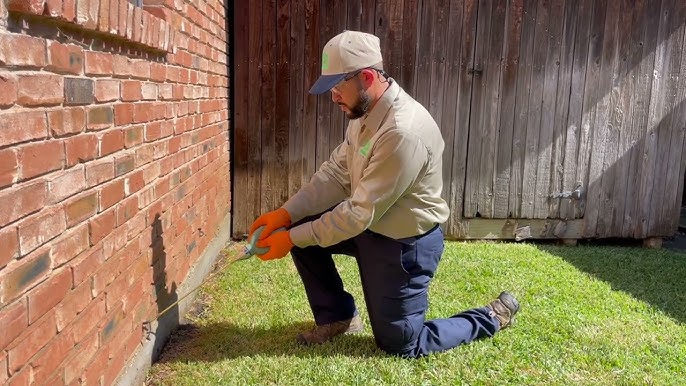
Plano is home to tree-lined streets and well-kept neighborhoods. Still, many people wonder if these comforts can keep pests away. Sadly, pests can find opportunities in Plano just like they do in many North Texas cities. Whether homes here are safe from unwanted guests depends on weather patterns, home design, and people’s daily habits. Thankfully, homeowners can turn to Romney Pest Control for help in dealing with different species of pests. The company has the experts and tools to handle even the most persistent pests.
What’s in Plano’s Climate that Makes Pests Feel at Home Here
Plano is in a warm region with long summers and mild winters. This type of weather supports insects and rodents through most months. Hot spells push pests toward cooler indoor spaces. Mild winters allow many species to survive.
Also, many pests look for dry shelter after heavy storms. Plano neighborhoods with irrigation systems or shaded yards can attract insects that thrive near moisture. These conditions do not mean every home will face an issue, but they explain why pests remain active here.
Common Pests Found in Plano Homes
Below are pests that can invade homes in Plano:
· Ants. Fire ants, odorous house ants, and carpenter ants can appear in residential areas. They seek food crumbs, pet bowls, and sweet spills.
· Cockroaches. American and German roaches prefer warm areas with access to water. That is why they thrive in kitchens, bathrooms, and laundry rooms.
· Rodents. Mice and rats enter homes as temperatures fluctuate. They squeeze through tiny gaps near foundations, vents, or garages. They chew wires and contaminate food areas.
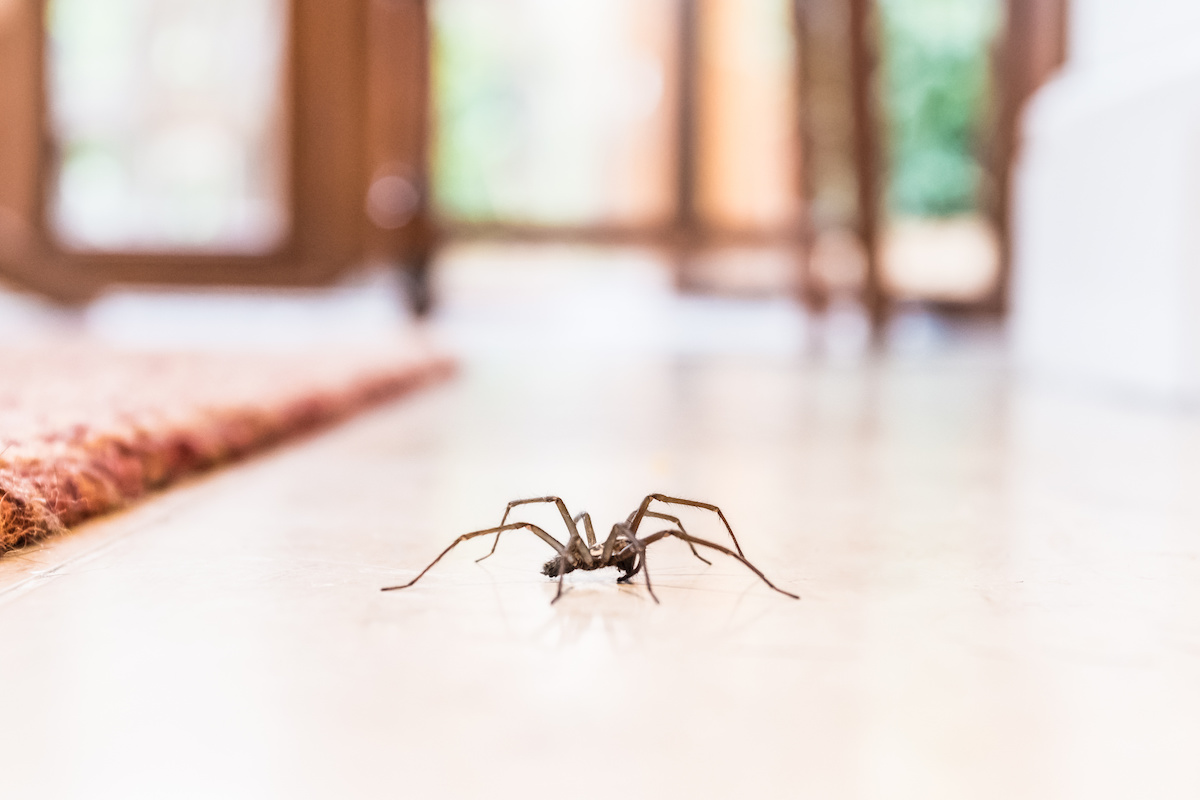
· Spiders, wasps, and termites. Spiders follow other insects indoors. Wasps build nests under eaves or near patios. Termites pose a quiet risk due to their taste for wood and their ability to stay hidden.
Newly Constructed Homes May Not Be Free from Pests
Plano features many newer neighborhoods, which can give a sense of security. But newly built homes are not guaranteed to be safe from pests. Construction disturbs soil, which can drive insects toward nearby structures. Termites often live underground before a home rises above the slab.
Modern homes also include features pests like. Open floor plans allow insects to move easily once inside. Energy-efficient seals help with temperature control, but one missed gap around a pipe can invite ants or roaches.
How People’s Landscaping Choices Can Matter
Yards add beauty, but they can also support pest activity. Mulch holds moisture and warmth, which insects enjoy. Shrubs that touch siding act as bridges for ants and spiders.
Bird feeders and outdoor pet food attract rodents. Standing water from planters or clogged gutters draws mosquitoes and other insects. Thoughtful yard care can lower pest issues without affecting curb appeal.
Seasonal Pest Issues in Plano
Pest activity can change with the seasons. Spring brings ants and termites as colonies grow and search for food. Summer heat pushes roaches and spiders indoors. Fall encourages rodents to look for warm shelter. Winter slows some insects, but many remain active inside walls and attics. Pests adapt, so homes in Plano can face some level of pressure year-round.
Entry Points Pests Use Most Often
Pests do not need much space to enter. They can be inside homes through cracks in foundations, gaps under doors, and loose weather stripping. Also, they can take advantage of utility lines and plumbing to be indoors.
In addition, garage doors that do not seal well or items stored against walls provide hiding spots. Pests that enter a garage may move toward the main living space.
Daily Habits That May Attract Pests
Pests thrive where food and water are easy to find. They are often drawn to crumbs on counters, trash left overnight, and spills under appliances. Also, they need moisture, which they can get from leaky faucets or damp cabinets.