A reliable water heater is one of the most important appliances in any home, providing hot water for showers, cooking, cleaning, and everyday comfort. Yet many homeowners wait until their system completely fails before thinking about a replacement. Unfortunately, an unexpected breakdown can lead to costly emergency repairs, water damage, and days without hot water. Upgrading your water heater before it reaches the end of its lifespan is often a smarter and more cost-effective decision.
Modern energy efficient water heaters are designed to deliver consistent performance while helping reduce energy consumption and monthly utility bills. Whether your current unit is showing signs of wear or is simply getting older, understanding when to replace it can help you avoid unnecessary expenses and improve your home’s overall efficiency. In this guide, we’ll explore the warning signs of an aging water heater, the benefits of upgrading early, and how to choose the right replacement for your household.
How Long Does a Water Heater Typically Last?
The average traditional storage tank water heater lasts between 8 and 12 years. Tankless models often have a longer lifespan, sometimes lasting up to 20 years with proper maintenance. However, age isn’t the only factor that determines when replacement makes sense.
Water quality, maintenance habits, usage, and installation quality all affect how long a unit performs efficiently. Even if your water heater is still working, an older system may no longer operate as efficiently as it once did.
Knowing the age of your unit is a good place to start. If it’s approaching the end of its expected lifespan, now may be the right time to begin considering your replacement options.
Warning Signs Your Water Heater Is Nearing the End
A water heater rarely stops working without giving some warning. Paying attention to these signs can help you avoid an emergency replacement.
Inconsistent Hot Water
If your hot water runs out faster than it used to or temperatures fluctuate unexpectedly, your water heater may be struggling to keep up with demand. This can happen as heating elements wear out or sediment builds up inside the tank.
Rust-Colored Water
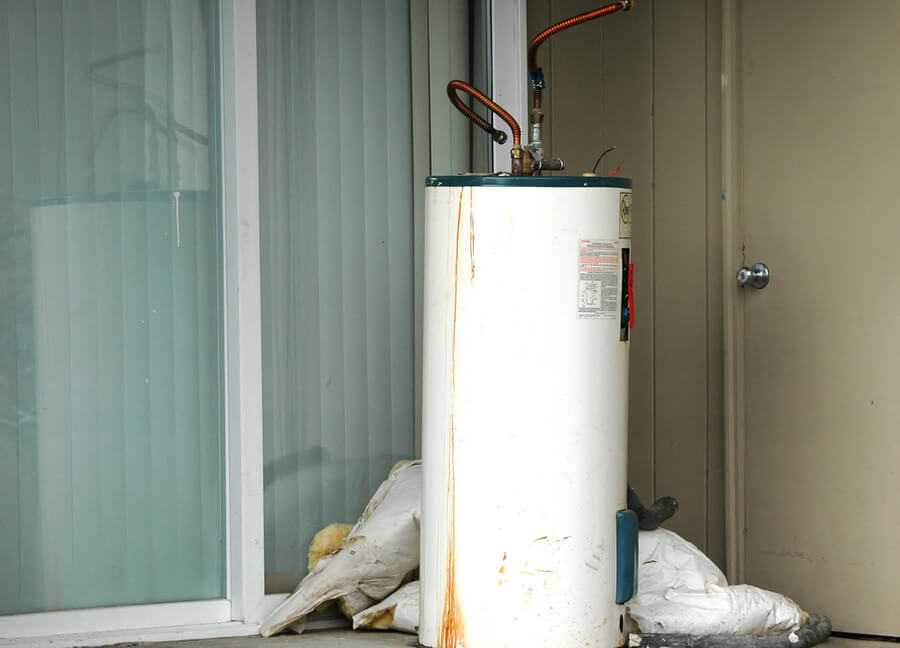
Discolored hot water may indicate corrosion inside the tank. While rusty water can sometimes come from plumbing pipes, it can also signal that the water heater is deteriorating from the inside.
Strange Noises
Popping, rumbling, or banging sounds are often caused by sediment collecting at the bottom of the tank. As the sediment hardens, your water heater has to work harder, reducing efficiency and increasing wear.
Leaks Around the Unit
Any visible water around the base of the tank should be taken seriously. Even small leaks can quickly become major problems that damage flooring, walls, and nearby belongings.
Rising Energy Bills
Older water heaters often require more energy to heat the same amount of water. If your utility bills have steadily increased without another obvious explanation, your aging water heater could be part of the problem.
The Benefits of Replacing Your Water Heater Early
Waiting until your water heater completely fails may seem like a way to get every last bit of value from it. In reality, replacing it proactively often offers several important advantages.
Avoid Emergency Situations
Water heaters tend to fail at inconvenient times. A sudden breakdown may leave your family without hot water while you wait for repairs or installation. Emergency replacements can also limit your equipment choices because you need a solution immediately.
Planning ahead allows you to schedule installation when it’s convenient instead of reacting to an unexpected failure.
Lower Energy Costs
Modern water heaters are designed with improved insulation, better heating technology, and higher efficiency standards. Many newer models use less energy while delivering the same or better performance.
Over time, those energy savings can help offset part of the cost of the new unit.
Improved Performance
As water heaters age, they often struggle to meet household demands. A new system provides more consistent hot water, faster recovery times, and greater reliability for everyday activities like showers, laundry, and dishwashing.
Reduced Risk of Water Damage
A leaking water heater can cause extensive damage to flooring, drywall, furniture, and personal belongings. Replacing an aging unit before it develops a serious leak helps reduce this risk and may prevent expensive repairs throughout your home.
Should You Repair or Replace?
Not every water heater problem requires replacement. In some cases, replacing a heating element, thermostat, or pressure relief valve can restore proper operation.
However, replacement usually makes more financial sense if:
- Your water heater is more than 10 years old.
- Repair costs are becoming frequent.
- The tank itself is leaking.
- Energy efficiency has noticeably declined.
- Repairs would cost a significant percentage of a new unit.
A professional inspection can help determine whether repair or replacement is the better long-term investment.
Choosing the Right Water Heater
Today’s homeowners have more choices than ever before.
Traditional tank water heaters remain a popular option because they offer reliable performance at a lower upfront cost. They store hot water in a large insulated tank that’s ready whenever you need it.
Tankless water heaters heat water on demand, eliminating the need for storage. Although they typically cost more initially, they often provide greater energy efficiency and a longer service life.
When choosing a replacement, consider factors such as:
- Household size
- Daily hot water usage
- Energy source
- Installation space
- Long-term operating costs
- Budget
Selecting the right size is just as important as choosing the right type. An undersized unit may struggle during peak usage, while an oversized model may waste energy.
Don’t Wait Until You’re Out of Hot Water
Replacing a water heater before it breaks down isn’t simply about avoiding inconvenience. It’s an opportunity to improve efficiency, lower operating costs, increase reliability, and reduce the risk of unexpected water damage.
If your current unit is approaching the end of its lifespan or showing signs of wear, now is a smart time to evaluate your options. A planned replacement gives you more control over your budget, allows you to compare available models carefully, and ensures your home continues to have dependable hot water for years to come.
Rather than waiting for an emergency, taking action early can make the transition smoother, less stressful, and ultimately more cost-effective.
Conclusion
Waiting until your water heater stops working can leave you facing expensive repairs, unexpected inconvenience, and potential water damage. Planning a replacement before your system fails gives you more time to compare options, choose the right model, and schedule installation without the pressure of an emergency. Investing in energy efficient water heaters can improve your home’s energy performance, provide more reliable hot water, and lower long-term operating costs.
By recognizing the warning signs of an aging unit and acting before a complete breakdown occurs, homeowners can enjoy greater peace of mind and avoid unnecessary disruptions. A proactive approach not only protects your home but also ensures your family has dependable access to hot water for years to come. Replacing your water heater at the right time is an investment in comfort, efficiency, and the long-term value of your home.