People often assume that establishing a vibrant, sustainable outdoor space is primarily a matter of selecting the right plants and hoping for consistent rainfall. This perspective suggests that nature will do the heavy lifting once the foundation is laid. The reality, however, is that successful cultivation in this region requires a much more deliberate approach to resource management and structural planning. Relying on intuition or sporadic watering often leads to frustrated homeowners and stressed vegetation, rather than a thriving landscape.
Why common assumptions about water and design frequently miss the mark
Many homeowners believe that a manual approach to hydration is sufficient for most of the growing season. The assumption is that if the weather feels dry, a quick sweep with a garden hose will provide the necessary moisture. This method tends to create significant inconsistencies. Surface-level watering often fails to reach deep into the root zone, encouraging shallow growth that is highly susceptible to heat and dry conditions.
Similarly, many residents assume that design is simply about selecting visually appealing foliage. True landscape success, however, depends on understanding the specific soil composition and drainage patterns of the area. Without accounting for these foundational elements, even the most carefully chosen plants may struggle to establish deep, healthy root systems. The assumption that nature provides the equilibrium needed for a lush yard often overlooks the reality of localized environmental stressors.
What actually matters for a thriving outdoor environment
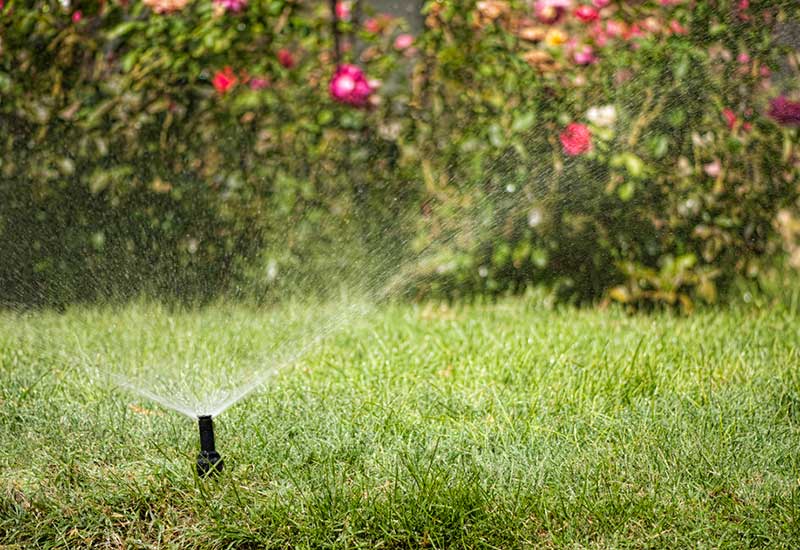
A successful landscape is built on the integration of efficient water distribution and thoughtful environmental planning. For irrigation systems in West Fargo, the focus typically shifts toward precision and scheduling. The goal is to deliver the right amount of moisture exactly where it is needed—at the base of the plant—to ensure deep root penetration without wasteful runoff.
When considering landscape design in Horace, the focus naturally shifts to sustainability and climate adaptation. A well-designed plan accounts for how sunlight hits different parts of the property, which areas are prone to wind exposure, and how different plant species will interact as they mature. The most resilient landscapes are those that mimic natural patterns, grouping plants with similar hydration and sunlight needs together. This zoning approach allows for more efficient management and helps to create an environment that can withstand the regional climate shifts.
The mechanism of deep root hydration
The secret to a lush landscape often lies in the quality of the root system rather than the appearance of the leaves. When water is applied deeply and infrequently, it encourages roots to push further into the soil, seeking moisture. This makes the plants more resilient during periods of heat. Conversely, frequent, shallow watering keeps the roots near the surface where the soil temperature fluctuates most dramatically. Professional irrigation design addresses this by using components that prioritize steady, low-volume distribution, which allows the soil to absorb moisture thoroughly without causing oversaturation or surface erosion.
How to tell the difference between temporary fixes and sustainable growth
The distinction between a quick fix and a lasting landscape often becomes clear during the hottest weeks of the year. If a yard relies on temporary watering solutions, signs of stress—such as wilting or discoloration—will likely appear quickly. A property that has been thoughtfully designed and irrigated tends to maintain its vitality with much less intervention.
To evaluate whether a landscape strategy is truly effective, one should observe the soil moisture consistency. A healthy landscape will typically feel moist several inches below the surface, even when the top layer appears dry. Furthermore, consider asking a professional provider about how their plans address long-term water conservation. A knowledgeable designer or irrigation specialist will focus on the interplay between soil health, native plant hardiness, and technological efficiency. If the focus is purely on aesthetics without regard for how the system manages moisture over several seasons, it may be time to re-evaluate the approach.
Reframing your perspective on residential outdoor health
Thinking of your yard as a complex, living system rather than a static collection of plants changes how you manage it. Instead of focusing on the individual tasks of mowing or planting, look at the big picture of your property’s water cycle and structural integrity. For residents in this region, the most successful outdoor spaces are those that reflect a commitment to efficiency and forethought.
When you invest in irrigation systems in West Fargo, you are investing in the long-term health of your soil and plant life. When you engage in landscape design in Horace, you are creating a framework that reduces maintenance while enhancing the property’s resilience. The shift from a reactive mindset—responding to problems as they arise—to a proactive one, where the systems are in place to support health automatically, is the hallmark of a well-managed home environment.
By moving away from the assumption that a beautiful yard is the result of chance or light manual labor, you open the door to a more sustainable and manageable outdoor experience. Focus on the foundational elements: the depth of your root systems, the efficiency of your water usage, and the logical layout of your plant groupings. These considerations are far more predictive of your success than any seasonal trends or sporadic efforts. The goal is to build an environment that sustains itself, allowing you to enjoy your outdoor space rather than constantly working to maintain it.