
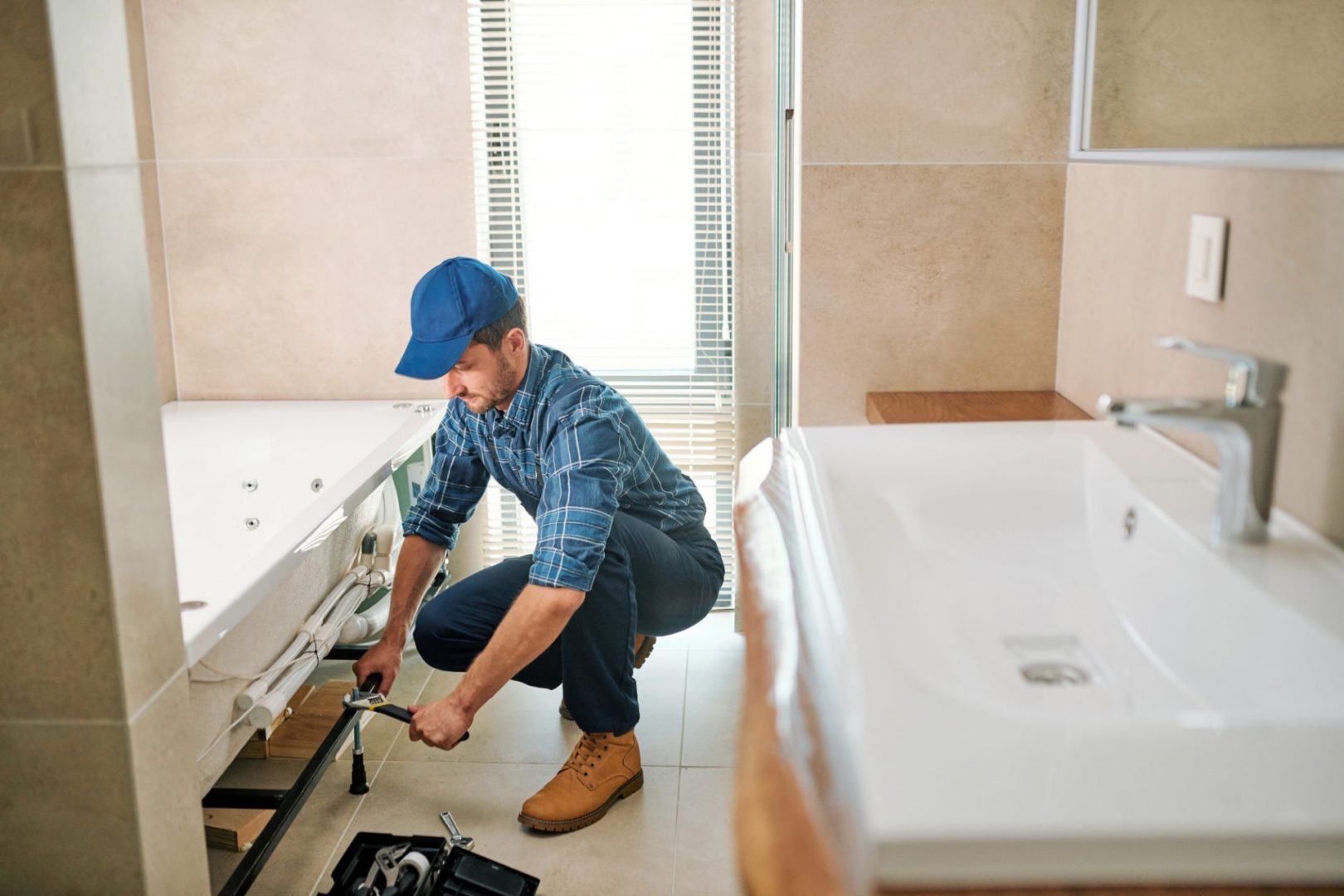
Bathroom plumbing problems rarely appear without warning. Small leaks, slow drains, unusual noises, and rising water bills often signal deeper issues developing behind walls or beneath floors. Ignoring these early signs can lead to costly structural damage, mould growth, and serious water waste over time.
Understanding when to call a professional plumber helps homeowners protect their property, improve efficiency, and avoid emergency repairs. From hidden pipe leaks to recurring drainage issues, recognising these warning signs early can save both time and money while keeping the bathroom functioning safely and efficiently.
Right after noticing persistent leaks or drainage problems, many homeowners begin searching for reliable bathroom plumbing repair in Bath Beach, Brooklyn to prevent minor issues from becoming major household disruptions.
1. Persistent Slow Drains
A slow-draining sink, bathtub, or shower is often one of the first signs of a plumbing problem. While occasional clogs can occur due to hair, soap residue, or debris buildup, recurring drainage issues usually indicate deeper blockages within the plumbing system.
Professional plumbers use specialised tools such as drain cameras and hydro jetting equipment to identify the exact source of the blockage without damaging pipes. Ignoring slow drains may eventually lead to complete backups, standing water, unpleasant odours, and even pipe corrosion over time.
If multiple drains throughout the bathroom begin slowing simultaneously, the issue could involve the main sewer line rather than a simple local clog. This situation requires immediate professional attention.
2. Unexplained Water Leaks
Even small water leaks should never be ignored. Moisture around toilets, under sinks, near bathtubs, or behind walls often signals hidden plumbing damage that can worsen quickly.
Leaks may result from cracked pipes, loose fittings, worn seals, or deteriorating plumbing connections. Over time, excess moisture can damage flooring, drywall, cabinetry, and insulation while also encouraging mould growth.
Some leaks remain hidden for months before becoming visible. Warning signs may include:
- Water stains on walls or ceilings
- Peeling paint
- Musty odours
- Warped flooring
- Unexpectedly high water bills
Professional plumbers can accurately detect hidden leaks using advanced moisture detection equipment and repair damaged sections before larger structural problems develop.
3. Low Water Pressure in Bathroom Fixtures
Weak water pressure can make daily tasks frustrating while also indicating underlying plumbing issues. If showerheads or bathroom faucets suddenly lose pressure, the cause may involve clogged pipes, mineral buildup, pipe leaks, or failing pressure regulators.
In older homes, corrosion inside ageing pipes can significantly restrict water flow. Sediment accumulation from hard water may also affect fixture performance over time.
A licensed plumber can inspect the system, identify the root cause, and recommend the appropriate repair solution. Addressing water pressure problems early helps prevent worsening pipe damage and improves overall plumbing efficiency.
4. Recurring Toilet Problems
A toilet that constantly clogs, runs continuously, or struggles to flush properly often signals deeper plumbing concerns. Frequent plunging should not become part of a homeowner’s regular routine.
Common causes include:
- Internal component wear
- Sewer line obstructions
- Ventilation problems
- Hidden leaks
- Partial pipe blockages
Running toilets can waste hundreds of litres of water every week, increasing utility bills unnecessarily. Meanwhile, recurring clogs may indicate larger drainage system problems that require professional inspection.
If repairs fail repeatedly or the toilet shows visible cracks, replacement may also become necessary.
5. Unpleasant Bathroom Odours
Persistent sewage-like smells inside the bathroom often indicate plumbing ventilation issues, drain problems, or hidden leaks. Healthy plumbing systems should effectively remove wastewater and prevent sewer gases from entering living spaces.
Common causes include:
- Dry drain traps
- Sewer line damage
- Broken vent pipes
- Drain blockages
- Hidden mould growth caused by leaks
These odours should never be ignored because sewer gases can affect indoor air quality and potentially create health concerns. A professional plumber can safely identify the source and restore proper system function.
6. Visible Pipe Corrosion or Rust
Exposed bathroom pipes showing rust, discoloration, flaking, or corrosion may indicate ageing plumbing materials reaching the end of their lifespan. Corroded pipes become weaker over time and are more likely to leak or burst unexpectedly.
Signs of pipe deterioration may include:
- Brown or yellow water
- Metallic-smelling water
- Frequent leaks
- Stained fixtures
- Uneven water pressure
Professional plumbers can determine whether repairs or partial pipe replacement are necessary. Addressing corrosion early helps avoid extensive water damage and emergency plumbing situations later.
Many homeowners dealing with ageing fixtures eventually require professional bathroom plumbing repair in Bath Beach, Brooklyn to replace deteriorating pipes and restore reliable water flow throughout the bathroom.
7. Mould or Mildew Growth
Bathrooms naturally contain moisture, but excessive mould or mildew often points to hidden plumbing leaks or ventilation issues. If mould repeatedly returns despite cleaning, the source may involve concealed water damage behind walls or beneath flooring.
Unchecked moisture can weaken structural materials while creating unhealthy indoor conditions. According to health experts, prolonged mould exposure may contribute to respiratory irritation and allergy-related symptoms in sensitive individuals.
Professional plumbers can identify hidden leaks contributing to excess moisture and help eliminate the root cause rather than temporarily masking the problem.
8. Unusually High Water Bills
A sudden increase in water bills without changes in household usage often signals hidden plumbing leaks. Even small leaks can waste substantial amounts of water over time.
Common hidden leak sources include:
- Toilet flapper leaks
- Pipe cracks behind walls
- Dripping faucets
- Underground plumbing leaks
- Faulty shower valves
Professional leak detection services help locate these problems accurately without unnecessary property damage. Repairing leaks promptly improves water efficiency and reduces monthly utility costs.
9. Noisy Pipes and Plumbing Fixtures
Banging, rattling, whistling, or gurgling sounds coming from bathroom pipes may indicate pressure imbalances, trapped air, loose pipe fittings, or drainage issues.
Some noises may seem harmless initially but often point to developing plumbing problems that worsen over time. Water hammer effects, for example, can gradually damage pipe connections and valves if left untreated.
Professional plumbers can diagnose unusual plumbing sounds and stabilise the system before serious pipe failures occur.
Why Professional Plumbing Repair Matters
DIY plumbing fixes may temporarily hide symptoms without solving the actual issue. Professional plumbers provide:
- Accurate diagnostics
- Long-term repair solutions
- Proper safety compliance
- Specialised repair equipment
- Prevention of future damage
Early professional intervention often reduces repair costs while extending the lifespan of bathroom plumbing systems.
FAQs
What are the most common signs of bathroom plumbing problems?
Common warning signs include slow drains, leaking pipes, low water pressure, recurring toilet clogs, mould growth, and unusually high water bills. These issues often indicate deeper plumbing problems developing behind walls or within drainage systems. Professional inspection helps identify the root cause before costly damage occurs.
Can a small bathroom leak cause serious damage?
Yes. Even small leaks can gradually damage flooring, drywall, insulation, and cabinetry. Hidden moisture also encourages mould growth and structural deterioration over time. What begins as a minor drip can eventually lead to expensive repairs if left untreated for extended periods.
Why does my bathroom smell like sewage?
Sewage odours often result from drain blockages, dry drain traps, broken vent pipes, or sewer line damage. These issues allow sewer gases to enter indoor spaces. Persistent bathroom odours should always be inspected by a professional plumber to identify and resolve the underlying problem safely.
How do plumbers detect hidden bathroom leaks?
Professional plumbers use specialised tools such as moisture meters, infrared cameras, acoustic leak detectors, and drain inspection cameras. These technologies help locate leaks accurately without unnecessary wall or floor removal, reducing repair time and minimizing property disruption during the inspection process.
Is low water pressure always caused by clogged pipes?
Not always. Low water pressure may result from pipe corrosion, hidden leaks, faulty pressure regulators, mineral buildup, or municipal water supply issues. A professional plumber can inspect the system thoroughly to determine the exact cause and recommend the appropriate repair solution.
When should I replace bathroom plumbing pipes?
Pipes should be replaced when they show signs of corrosion, frequent leaks, rust-coloured water, reduced water pressure, or visible deterioration. Older plumbing systems made from outdated materials may also require replacement to improve reliability, safety, and long-term plumbing performance.
Final Thoughts
Bathroom plumbing issues rarely resolve themselves. Slow drains, recurring leaks, low water pressure, mould growth, and unusual noises often indicate deeper problems requiring professional attention. Acting early helps prevent expensive structural damage, improves water efficiency, and maintains a safer, healthier home environment.
Recognising these warning signs allows homeowners to address plumbing concerns before they escalate into major emergencies. Professional repairs not only restore bathroom functionality but also protect the long-term condition and value of the property.


