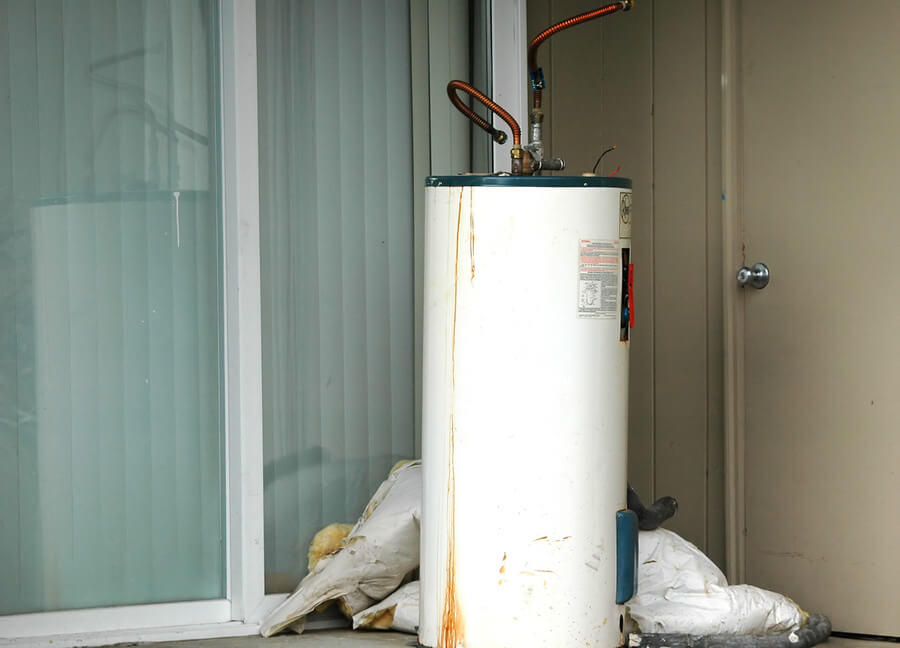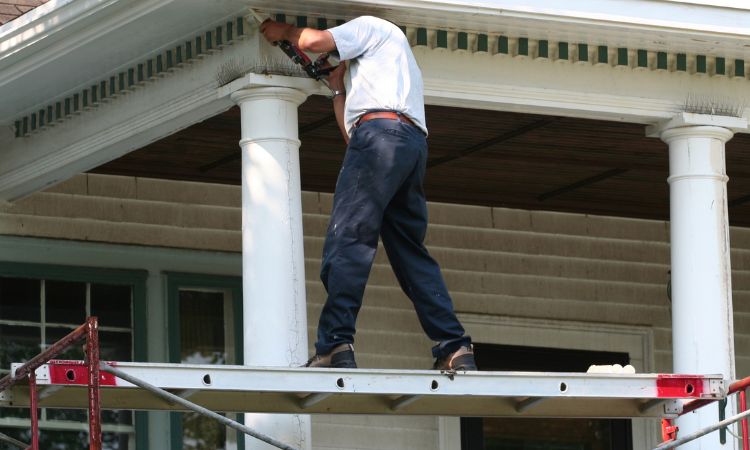
Maintaining a home throughout the year helps protect its structure, improve energy efficiency and prevent minor issues from becoming expensive repairs. Seasonal changes can affect roofing, plumbing, insulation, outdoor spaces and heating equipment, making regular inspections an important part of responsible homeownership. A consistent maintenance routine also helps keep living spaces comfortable, safe and functional in every season.
For homeowners in areas with cold winters and changing weather conditions, seasonal HVAC maintenance in Kalispell, MT, is particularly important for keeping heating and cooling equipment operating reliably. Combining regular HVAC inspections with other essential property checks can help identify potential problems early, reduce avoidable energy waste and prepare your home for the demands of the coming season.
1. Inspect and Maintain Your Heating and Cooling System
Your heating, ventilation and air conditioning (HVAC) system plays a major role in maintaining indoor comfort throughout the year. Before winter or summer begins, arrange an inspection to check the equipment’s condition, identify worn components and confirm that it operates correctly. A professional technician can assess system performance, inspect electrical connections and identify issues that may affect efficiency or reliability.
Homeowners can also complete simple maintenance tasks between professional visits. Replace or clean air filters according to the manufacturer’s instructions, keep supply and return vents unobstructed, and check outdoor units for leaves or other debris. These steps support airflow and help the equipment operate as intended. If you notice unusual noises, inconsistent temperatures or unexpectedly high energy bills, arrange a professional assessment rather than ignoring the warning signs.
2. Check the Roof, Gutters and Downpipes
Roofing problems can develop gradually and become more noticeable after heavy rain, strong winds or snowfall. Inspect your roof from the ground for missing, damaged or displaced shingles, and look for signs of water entering the loft or ceilings. Any visible damage should be assessed promptly, particularly before the wetter or colder months arrive. Professional inspections are advisable when roof access would be unsafe.
Gutters and downpipes also need regular attention because leaves, twigs and other debris can obstruct drainage. Blockages may cause water to overflow towards walls, foundations or entrances, potentially contributing to dampness and water damage. Clear gutters safely or use a qualified professional, and check that downpipes direct water away from the building. Repeat these checks after periods of heavy leaf fall or severe weather.
3. Improve Insulation and Seal Draughts
Effective insulation helps maintain indoor temperatures by reducing heat transfer between your home and the outdoors. Before winter, examine accessible loft insulation, external doors and window frames for gaps or deterioration. Sealing suitable openings with appropriate draught-proofing materials can reduce unwanted air leakage, improve comfort and lower the amount of heating required. Ensure that necessary ventilation openings remain unobstructed.
Insulation is equally important during warmer months because it can help limit unwanted heat entering the property. Check whether loft spaces become excessively warm and consider whether additional insulation or ventilation improvements are appropriate. If you are planning a larger upgrade, seek professional advice about the most suitable measures for your property’s construction, moisture conditions and local climate.
4. Protect Plumbing from Seasonal Temperature Changes
Cold weather can place considerable strain on household plumbing, especially pipes located in unheated garages, lofts, crawl spaces or exterior walls. Inspect exposed pipework for damage and ensure vulnerable sections have suitable insulation. Before freezing conditions arrive, familiarise yourself with the location of your main water shut-off valve so you can respond quickly if a pipe leaks or bursts.
During warmer months, check taps, visible pipe connections and appliances for signs of dripping or moisture. Small leaks can waste water and may contribute to damage if left unresolved. Inspect outdoor taps and irrigation equipment as well, and follow the manufacturer’s guidance when preparing them for winter. If you notice persistent leaks, reduced water pressure or signs of pipe damage, contact a qualified plumber.
5. Maintain Windows, Doors and Exterior Surfaces
Windows, doors and exterior walls help protect your home against wind, rain and temperature fluctuations. Inspect window seals, door frames, exterior paintwork and visible masonry for cracks, peeling finishes or gaps. Addressing deterioration early can help prevent moisture penetration and improve the property’s overall condition. Pay particular attention to areas where different building materials meet, as these joints can become vulnerable over time.
Seasonal maintenance may also include cleaning exterior surfaces, checking door hardware and repairing damaged sealant where appropriate. Before repainting or sealing an area, make sure the underlying surface is clean, dry and suitable for the product being used. If you find substantial cracking, persistent dampness or signs of structural movement, obtain a professional assessment instead of relying on cosmetic repairs.
6. Prepare Outdoor Spaces and Drainage
Gardens, paths, driveways and outdoor structures require attention as the seasons change. Remove fallen leaves from walking surfaces, inspect fences for loose sections and check garden structures for damage caused by wind or moisture. Keeping pathways clear can reduce slipping hazards, while trimming overgrown vegetation helps maintain access around the property and prevents plants from obstructing drainage routes.
Check the ground around your home to ensure rainwater flows away from the foundations rather than collecting against exterior walls. Clear accessible drainage channels and inspect outdoor steps, railings and paving for movement or deterioration. Before winter, store seasonal equipment appropriately and secure loose outdoor items that could be displaced by strong winds. These practical measures help protect both the property and the people using it.
7. Test Safety Devices and Review Maintenance Records
Smoke alarms and carbon monoxide alarms are essential safety devices, particularly in homes with fuel-burning heating appliances. Test them according to the manufacturer’s instructions, replace batteries or units when required, and ensure alarms are installed in appropriate locations under applicable local guidance. Never ignore a carbon monoxide alarm; leave the building and contact emergency services if it sounds, following local emergency advice.
Keep a simple record of inspections, repairs, filter changes and professional servicing. A maintenance calendar can help you schedule recurring tasks before seasonal weather arrives, rather than waiting until a problem develops. Recording completed work also makes it easier to identify recurring issues, monitor equipment condition and plan future improvements without overlooking important responsibilities.
Key Takeaways
Keeping a property in good condition requires consistent attention to heating and cooling equipment, roofing, insulation, plumbing, exterior surfaces, drainage and household safety devices. By organising these tasks around seasonal changes, homeowners can identify developing problems earlier, protect essential building components and maintain a more comfortable indoor environment throughout the year.
Create a practical maintenance schedule and prioritise tasks according to weather conditions, equipment requirements and the age of your property. Where work involves specialist equipment, significant damage or potential safety risks, consult a qualified professional. Regular inspections and timely repairs can help preserve your home’s condition and reduce the likelihood of avoidable expenses.